
Before the First Storm | Your Spring Property Checklist
Spring in South East Queensland brings warmer days, longer afternoons and a timely reminder to prepare our homes for changing weather. The Bureau of Meteorology identifies spring as a peak time for severe thunderstorms along Australia's east coast, while the Queensland State Emergency Service advises that severe storms can affect every part of the state and may occur at any time of year.
Preparing early is not about trying to predict every storm. It is about giving your home or investment property a sensible maintenance check, addressing obvious hazards and knowing what to do when official warnings are issued. A few practical jobs now can make your property safer and your response much less frantic when dark clouds begin to gather.
Here is a straightforward spring property checklist for homeowners, landlords and tenants across Greater Springfield, Camira, Brookwater, Ipswich and surrounding areas.
1. Start at the roofline
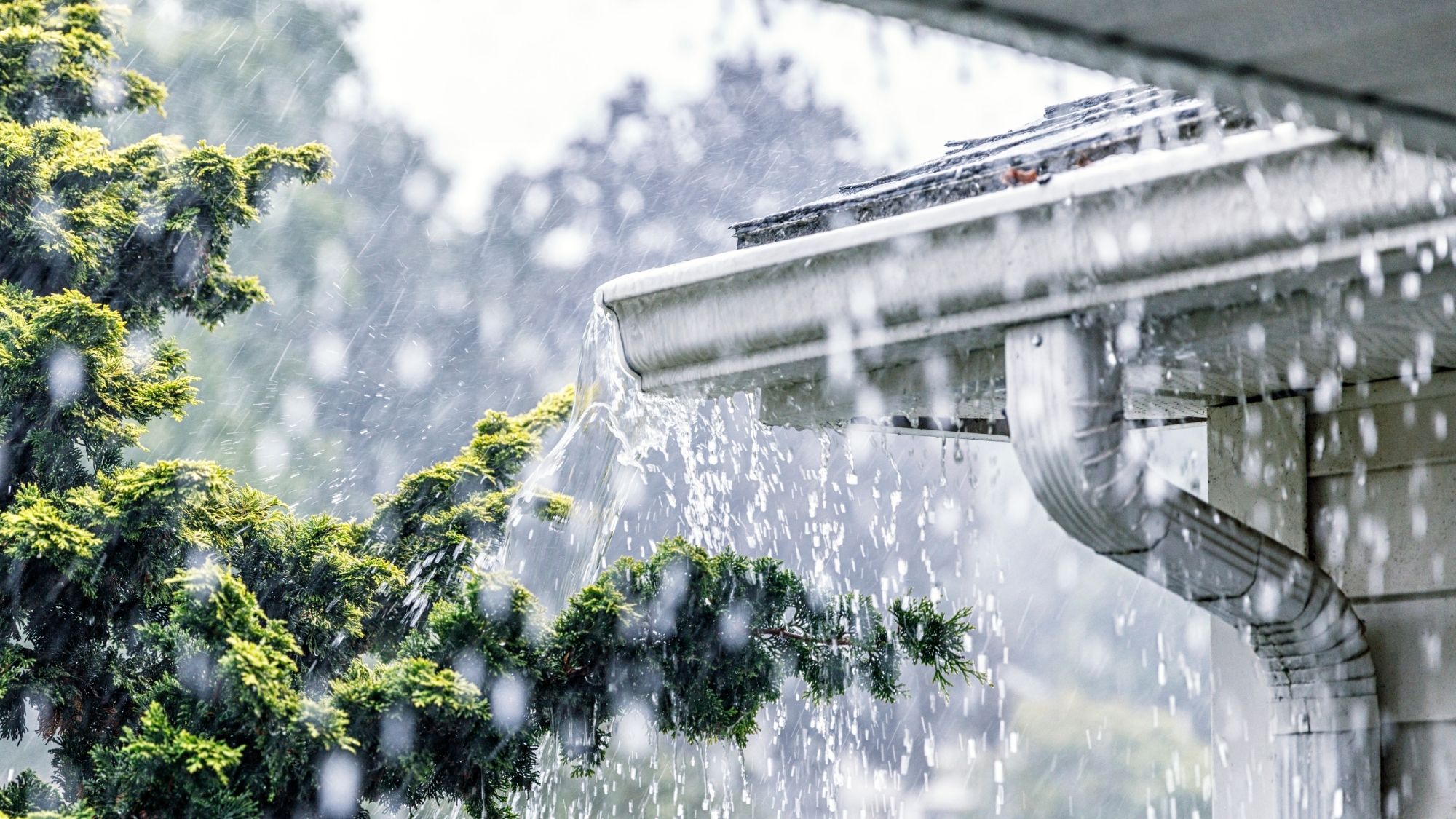
Your roof, gutters and downpipes are the first places to check. From ground level, look for loose or damaged roofing, cracked guttering, rust, gaps, sagging sections or anything that appears to have shifted. If something needs closer inspection, arrange a suitably qualified professional rather than climbing onto the roof yourself.
Clear leaves and other blockages from gutters and downpipes so rainwater has a clear path away from the building. Queensland Government and SES guidance both place roof condition and clear drainage high on the property preparation list. It is also worth checking where downpipes discharge and whether surface drains are free of garden waste, soil and debris.
2. Look up before trimming trees
Inspect trees and branches around the home, particularly anything overhanging the roof, driveway, outdoor living areas or neighbouring property. Remove dead garden waste and arrange for unstable or overgrown branches to be assessed before severe weather is forecast.
Always check local council requirements before significant trimming. If vegetation is near powerlines, do not attempt the work yourself. Energex advises property owners to use a professional arborist or tree trimmer for vegetation growing near powerlines.
3. Give loose outdoor items a home
Outdoor furniture, umbrellas, pot plants, toys, tools, bins and trampolines can become dangerous when winds strengthen. Decide now where each item can be stored, secured or weighed down. Waiting until a warning has been issued usually means doing the same job in worse conditions and with less time.
Check sheds, gates, fences, shade sails and outdoor structures for loose fittings or obvious damage. If repairs require specialised tools, work at height or electrical access, book a qualified tradesperson.
4. Check windows, doors and drainage
Make sure external doors and windows close and latch properly. Repair damaged seals around windows where water could enter, and clear debris from outdoor drains, grates and channels. Walk around the property after ordinary rain and note any places where water pools or flows towards the building rather than away from it.
Renters should report maintenance concerns to their landlord or property manager promptly and should not undertake risky or unapproved repairs themselves.
5. Know your utilities and emergency contacts
Locate the main controls for electricity, solar power, gas and water, and make sure the adults in your household know where they are. Only disconnect services when it is safe to do so and when directed by the relevant authority or emergency services.
Prepare or refresh your household emergency plan and keep a basic emergency kit somewhere accessible. Include arrangements for children, pets and anyone who depends on powered medical equipment. Follow Bureau of Meteorology warnings and your local council's disaster information rather than relying on social media commentary.
|
KEEP THESE NUMBERS HANDY Storm and flood assistance: Queensland SES 132 500 Life-threatening emergency: Triple Zero 000 |
6. Review insurance and important records
Check that your home, contents and vehicle insurance details are current and that you understand your cover, exclusions and excesses. If you are unsure whether the policy remains suitable, contact your insurer directly. Keep important policy details, photographs and a basic record of valuable items somewhere secure and accessible.
After a storm, photograph damage before cleaning up where it is safe to do so, then contact your insurer. Never enter a damaged area or approach fallen powerlines to obtain photographs.
7. A check-in for landlords and property investors
For investment properties, spring preparation should include reviewing outstanding maintenance, confirming tenant and emergency contact details, and making sure tenants know how to report urgent issues outside normal office hours. It is also sensible to confirm that regular trades and insurance contacts are current before demand increases after a severe weather event.
Good preparation also means listening when a tenant reports a blocked gutter, leak, unstable fence, damaged tree or drainage concern. Early information can help the owner and property manager arrange an appropriate inspection before the issue becomes more difficult to manage.
8. A reminder for tenants
Tenants can help by reporting concerns promptly, keeping balconies and courtyards free from unsecured items, and following official warnings. Make sure your property manager has your current telephone number and email address, and save the agency's emergency repair process somewhere easy to find.
Your quick spring checklist
• Inspect the roof from ground level and arrange professional repairs where needed.
• Clear gutters, downpipes, drains and grates.
• Assess overhanging branches and use qualified professionals near powerlines.
• Secure or store loose outdoor furniture, toys, tools, bins and trampolines.
• Check windows, external doors, seals, gates, fences and outdoor structures.
• Know where the main utility controls are located.
• Review insurance details and securely store important records.
• Refresh your household emergency plan, kit and pet arrangements.
• Save official warning channels and emergency contact numbers.
A little preparation goes a long way
Property preparation does not need to become a full renovation. Start with the practical jobs that reduce obvious risks, make a short list of anything requiring professional attention and keep official information close at hand. When severe weather is forecast, follow the directions of emergency services and never drive, walk, ride or swim through floodwater.
If you are preparing a property for sale, curious about its current value or looking for experienced support with an investment property, the V & Co. Realty team would be happy to help.
Request a complimentary sales appraisal
General information only: This article provides general property preparation information and is not a substitute for advice from emergency services, your insurer or a suitably qualified tradesperson. Always follow official warnings and directions.
Verified sources
• Bureau of Meteorology, Spring 2026 long-range forecast
• Get Ready Queensland, Protect your home